
Halifax County Public Records
Halifax County public records are available through government offices in Halifax, the county seat. Located in northeastern North Carolina along the Roanoke River, Halifax County has a rich colonial history. The county maintains records covering property transfers, court proceedings, vital events, and tax assessments. These records are open to the public under the North Carolina Public Records Act and can be requested by residents or anyone with an interest.
Halifax County Public Records Law
The North Carolina Public Records Act in Chapter 132 applies to Halifax County. This law says all records made or received by a public agency belong to the people. You can ask for records at any Halifax County office without stating a reason.
Halifax County must respond to requests in a timely way. Viewing records in person is usually free. Copy fees may apply. Certified copies cost more than plain ones. If Halifax County denies a request, the office must explain why.
Most Halifax County records are open. Sealed court files, juvenile records, and certain protected documents are exceptions. The vast majority of government files in Halifax County are accessible to the public.
Property Records in Halifax County
The Halifax County Register of Deeds records all land documents. Deeds, deeds of trust, liens, plat maps, and easements are filed at this office. Each document becomes part of the permanent public record. The office is located in the town of Halifax.
You can search Halifax County property records by owner name or by book and page. Staff at the Register of Deeds can help with in-person searches. Some records may also be available online through the Halifax County website.
The North Carolina vital records office provides statewide services that complement local Halifax County records.
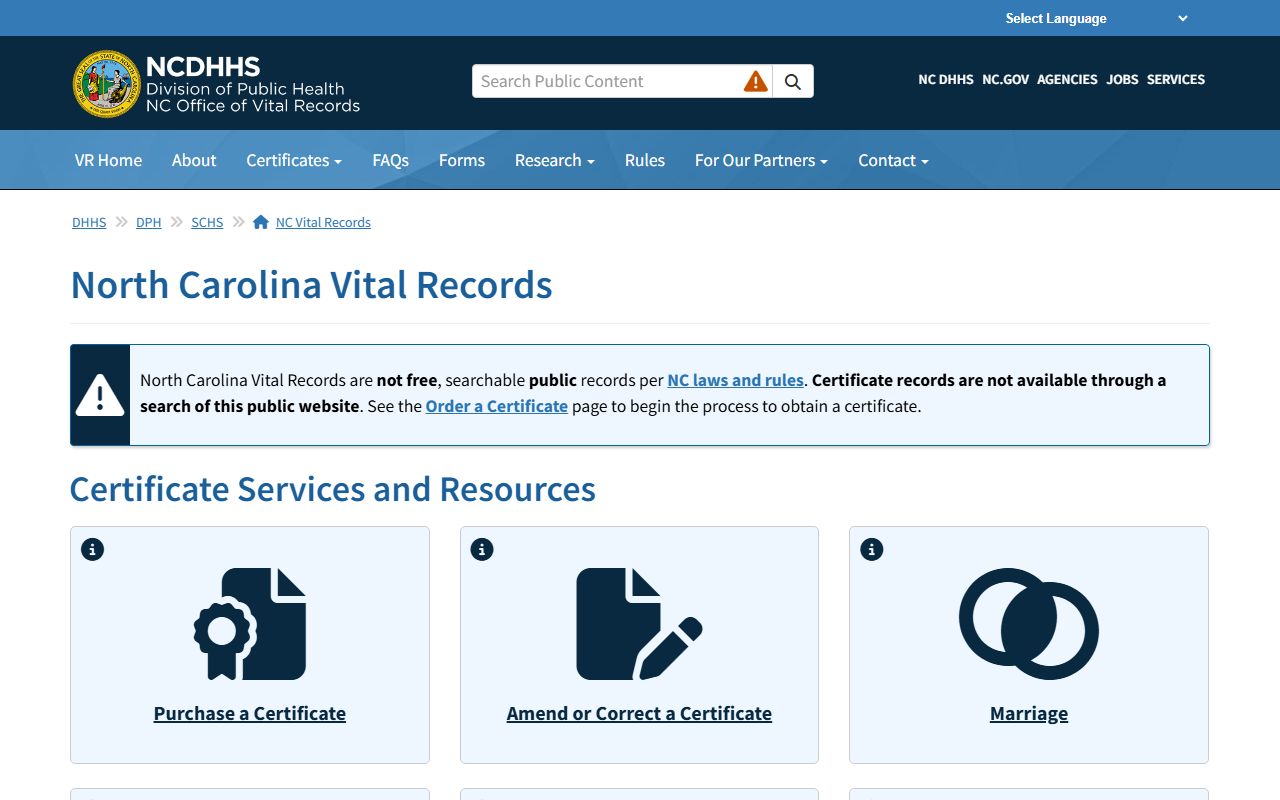
State and local offices work together to maintain vital records for Halifax County residents.
Halifax County land records go back to the colonial era. Some of the oldest property records in North Carolina are on file here. Title searches, boundary disputes, and ownership verification all rely on these public records.
Note: Halifax County property records from the 1700s may require special handling and are sometimes stored separately from newer filings.
Halifax County Court Records
Court records in Halifax County are kept by the Clerk of Superior Court. Civil lawsuits, criminal cases, estate probate, and family law matters all produce files at this office. The courthouse is in Halifax.
The North Carolina Courts website gives online access to case data. You can search Halifax County cases by party name or case number. Basic details are free. For full documents, contact the clerk in Halifax or visit in person.
Halifax County court records are public with limited exceptions. Sealed cases and juvenile files are restricted. Most other court records in Halifax County can be viewed by anyone at the courthouse.
Vital Public Records in Halifax County
Birth, death, and marriage records for Halifax County are managed by the Register of Deeds and the state Vital Records office. Certified copies are available from either location.
Marriage licenses in Halifax County are issued by the Register of Deeds. Both people must appear in person at the office in Halifax. The license is good for 60 days. Once the ceremony is done, the signed license returns to Halifax County for permanent filing.
Historical vital records from Halifax County are sometimes found at the State Archives in Raleigh. Given the county's long history, records from the 1700s and 1800s may be in the collection.
Tax Records for Halifax County
Halifax County tax records cover all real and personal property. The Tax Office maintains assessed values, bills, and payment data. These are public records you can view online or in person.
Halifax County tax records include:
- Owner name and property address
- Assessed land and building values
- Tax rate and annual amount owed
- Payment history and outstanding balances
- Tax liens if applicable
Reappraisals in Halifax County happen on a set cycle. New values become part of the public record. Tax liens create additional public records tied to the property. These records matter for anyone buying or selling land in Halifax County.
Note: Halifax County tax records help buyers verify that all taxes are current before closing on a property purchase.
Getting Halifax County Public Records
You can access Halifax County public records through several channels. In-person visits to offices in Halifax are the most direct option. Bring identification and any details about the records you want.
Written requests by mail or email work for those who cannot travel to Halifax County. Address the request to the correct department. Include specific details like names, dates, or reference numbers. Most simple requests are processed within a few business days.
Online access varies for Halifax County records. The North Carolina state portal links to databases that may include Halifax County data. Court records are available through the statewide court search system. For other records, contacting Halifax County offices directly yields the best results.
Halifax County Records Assistance
If you need help with a Halifax County records request, resources exist. Each office has staff who can assist you. Call ahead to confirm what is available and what you need to bring.
The Legal Aid of North Carolina serves Halifax County residents and can advise on records access rights. If a request is denied, ask for the reason in writing. Courts can order the release of records when there is no valid legal basis for withholding them from the public.
Halifax County Records for Copies and Research
Copies of Halifax County records are quick to get. Visit the right office in Halifax. Tell the clerk what you need. Plain copies cost cents per page. Certified copies cost more and come with a seal. The Register of Deeds prints land and vital record copies on site.
Court file copies come from the Clerk of Court. State law sets the fees. Staff can pull files by name or case number. Halifax County has old records that date to the colonial era. Some of these are at the State Archives in Raleigh. Wills, old deeds, and court logs from the 1700s are in that group. You can view them for free at the state site.
The North Carolina Courts site is the best tool for court data. For land and tax files, try the Halifax County office first. These records paint a full picture of property and legal life in the county.