
Alamance County Public Records
Alamance County holds a wide range of public records that date back to its founding in 1849. Residents and researchers can access property deeds, court filings, marriage licenses, birth and death records, and tax documents through several county offices. The Alamance County Register of Deeds, Clerk of Superior Court, and Tax Administration each maintain distinct record sets. These offices serve the public from the county seat in Graham, North Carolina. This guide explains how to find and use Alamance County public records through official county and state channels.
Alamance County Property Records
Property records in Alamance County are filed with the Alamance County Register of Deeds. This office stores real estate deeds, liens, maps, and plats. All land transfers in Alamance County must be recorded here. The records go back to 1849 when the county was first formed. Staff can help you find a specific deed or trace a chain of title for any parcel in the county.
Tax records offer more detail on each property. The Alamance County Tax Administration office sets assessed values and tracks payments. You can search tax bills by owner name or parcel number. These records show the fair market value, land use, and tax status of each lot. They are public and free to view.
Note: Property records from before 1849 may be held by Orange County, from which Alamance was formed.
Court Records in Alamance
The Alamance County Clerk of Superior Court manages all court records. Criminal case files, civil suit documents, special proceedings, and estate records are stored at this office. The Clerk also handles probate matters such as wills and estate filings. You can request copies in person or check the NC Courts system for case lookups.
North Carolina launched the eCourts Portal to give the public online access to court case data. This tool lets you search by name or case number. It covers civil, criminal, and traffic matters across the state, including Alamance County cases. Results show case type, filing date, and status.
Alamance Vital Records Access
Vital records include birth and death certificates and marriage licenses. The Alamance County Register of Deeds issues marriage licenses and files birth and death records. You can request certified copies at the county office in Graham. State-level vital records are also available through NC Vital Records.
Marriage licenses have been filed in Alamance County since 1849. The Register of Deeds also keeps notary public commissions on file. If you need a birth or death record from before county filing began, the state archives may hold older documents. Staff at the county office can point you to the right source.
Note: Birth certificates from 1913 forward are held at the state level by the NC Division of Public Health.
How to Request Alamance County Public Records
North Carolina law gives the public broad access to government records. The NC Public Records Act (Chapter 132) defines what counts as a public record and sets rules for access. Most records held by Alamance County offices fall under this law. You can make a request in person, by mail, or by phone.
Some records have limits. Court orders may seal certain files. Medical records and some juvenile records are not open to the public. Fees may apply for certified copies or large search requests. Each office sets its own fee schedule. Ask the staff for current costs before you place an order.
The Alamance County government website lists contact details for each department. You can find hours, phone numbers, and mailing addresses. Many offices now post forms online so you can start a request from home. Walk-in visits are still welcome during business hours.
Alamance County Public Records Overview
The image below shows a screenshot from the Alamance County website, which serves as the main portal for county public records.
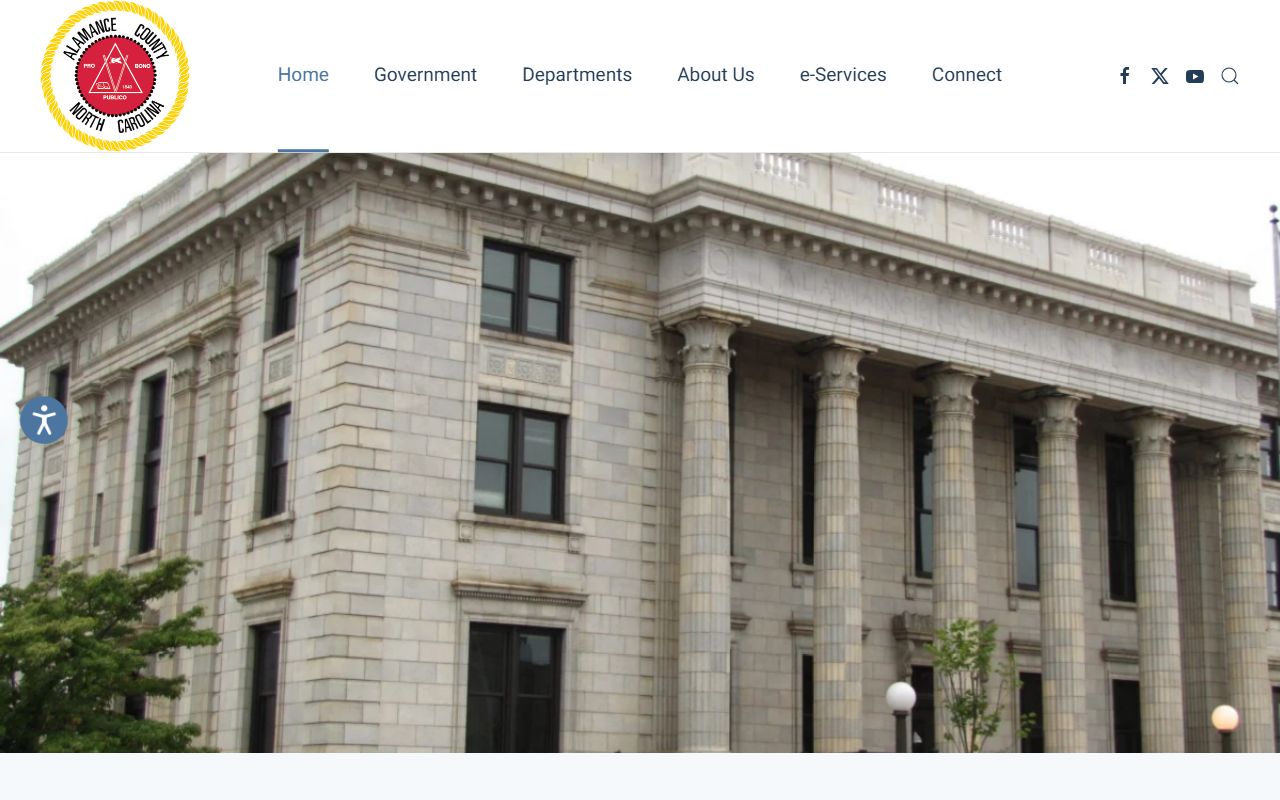
This site provides links to each county department that holds public records.
Here is a look at the Alamance County Register of Deeds page, where property and vital records are maintained.
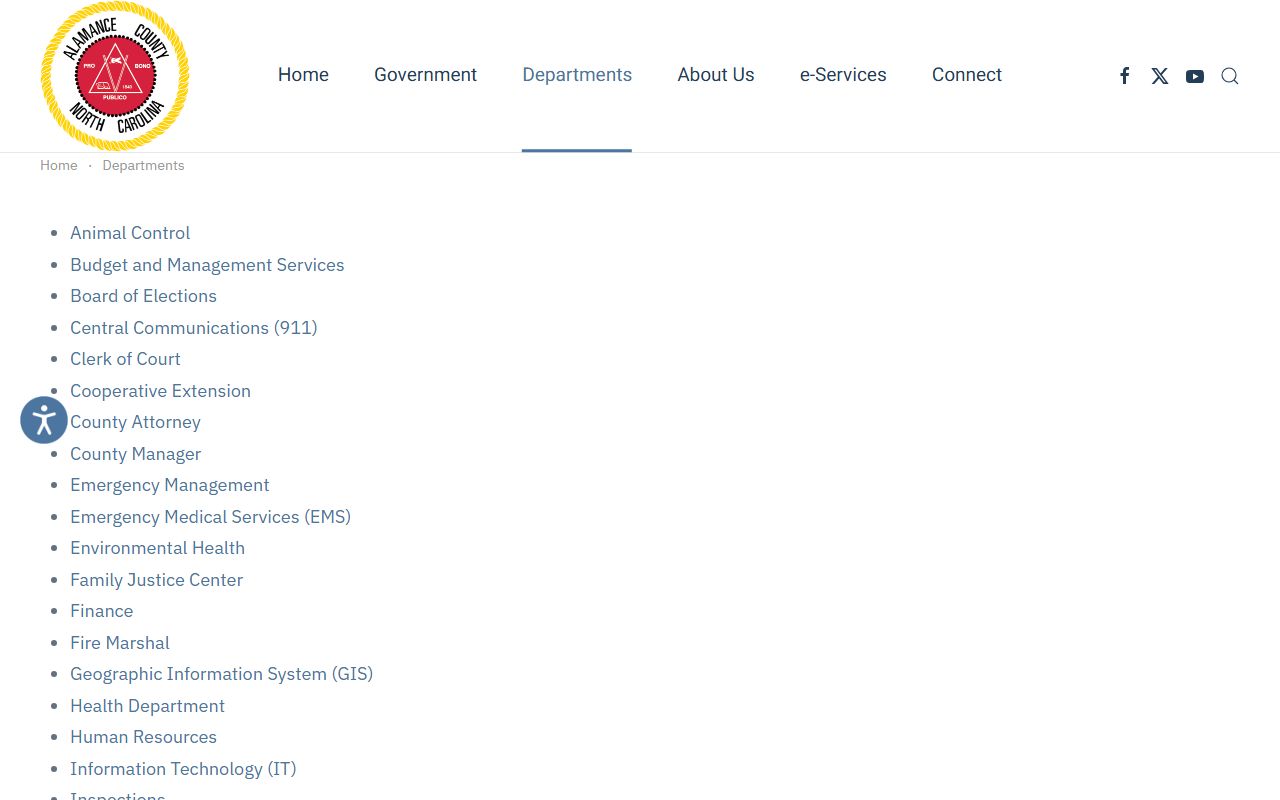
The Register of Deeds is a key resource for anyone searching Alamance County land or marriage records.
Public Records and Elections in Alamance
The Alamance County Board of Elections keeps voter registration data and election results. These are public records under state law. You can look up voter rolls, past election outcomes, and precinct maps. The board also handles absentee ballot records and campaign finance filings.
Election records in Alamance County help ensure open and fair votes. Residents can check their own registration status or review poll data. Campaign finance reports show donations and spending by local candidates. All of these files are open for public review.
Below is a screenshot from the Alamance County Board of Elections page.
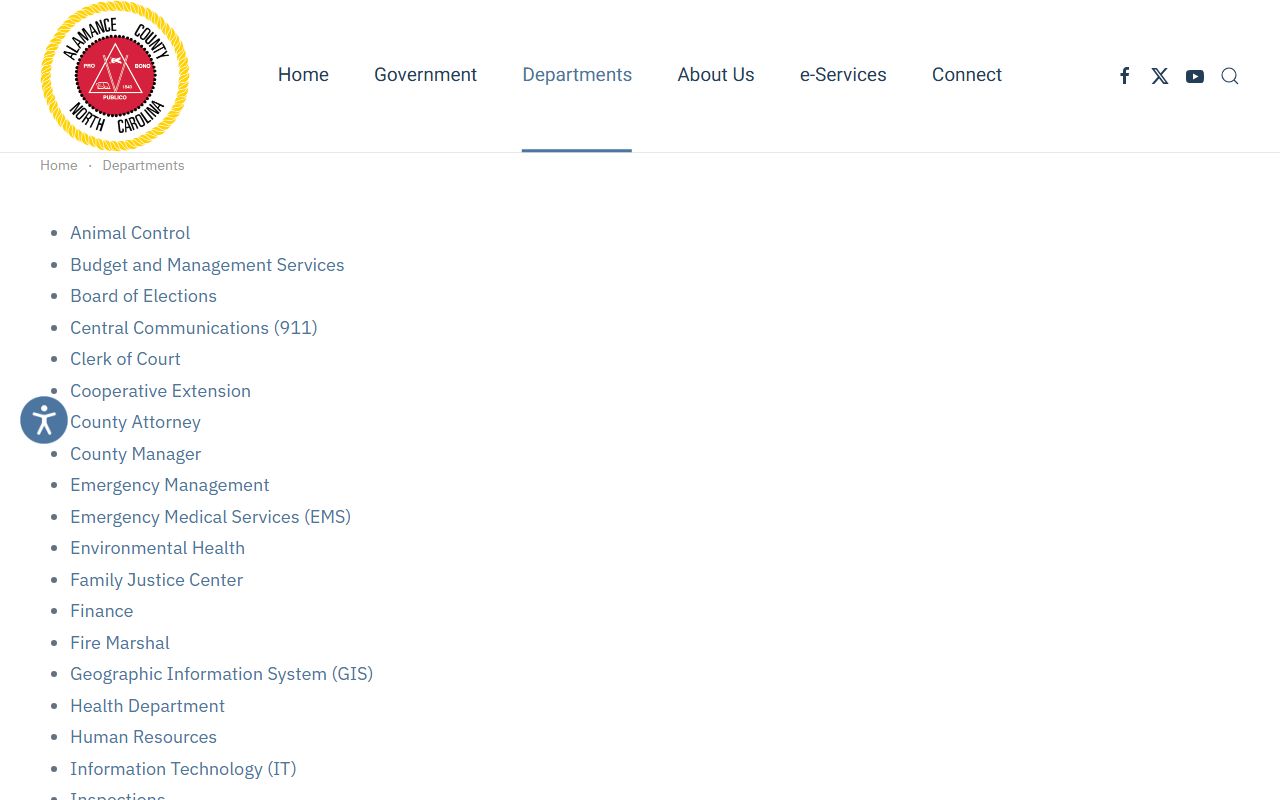
This page offers tools for voters and researchers alike.
Types of Alamance County Records
Alamance County maintains many types of public records across its departments. Each office holds records tied to its core duties. Below is a list of common record types you can access.
- Real estate deeds and land records
- Marriage licenses and vital records
- Criminal and civil court filings
- Estate and probate records
- Tax assessment and payment records
- Voter registration and election data
These records span from 1849 to the present. Older records may require an archive search. The NC State Archives holds historical Alamance County documents that predate current filing systems. Staff there can guide you through older collections.
State Resources for Alamance Records
Several state agencies support public records access for Alamance County residents. The NC State Bureau of Investigation maintains a criminal records database. The NC Secretary of State holds business filings and corporate records. These complement the local records kept by Alamance County offices.
Legal Aid of North Carolina can help if you need legal guidance on public records requests. They offer free help to those who qualify. Their staff can explain your rights under the NC Public Records Act and help resolve disputes with government offices.
Note: State and county offices may have different hours and procedures, so check each site before you visit.