
Charlotte Public Records
Charlotte is the largest city in North Carolina and the seat of Mecklenburg County. Public records created by Charlotte city offices fall under the state open records law. Residents and members of the public can request documents from city departments. The City Clerk serves as the official record keeper for Charlotte. This office manages council minutes, ordinances, and other official city documents that form part of the public record. Records cover areas like police activity, building permits, and city contracts.
Charlotte Public Records Law
North Carolina General Statutes Chapter 132 governs public records in Charlotte and across the state. This law defines what counts as a public record. It also sets out how people can ask for copies. Any document made or received by a city office in the course of public business is a public record.
The law gives broad access rights. You do not need to state a reason when you ask for public records in Charlotte. The city must respond to your request. Charlotte processes public records requests with a target of ten business days. Some requests take longer if they involve a large number of files or need legal review.
Certain records are not open to the public. Personnel files, for example, have limited access under state law. Medical records and some law enforcement files also have restrictions. Charlotte follows these rules when deciding what to release.
Note: Charlotte charges fees at actual cost for copying public records, which may vary by format and volume.
How to Request Public Records in Charlotte
Charlotte has a formal process for public records requests. You can submit a request through the city website. The online form asks for your contact details and a description of the records you want. Be as specific as you can so staff can find the right files.
You may also call or visit a city office to ask for public records in Charlotte. Walk-in requests work well for simple items. For larger requests, the written form helps both you and the city keep track of what was asked for and when.
The Charlotte city homepage offers a starting point for finding various departments and their records.
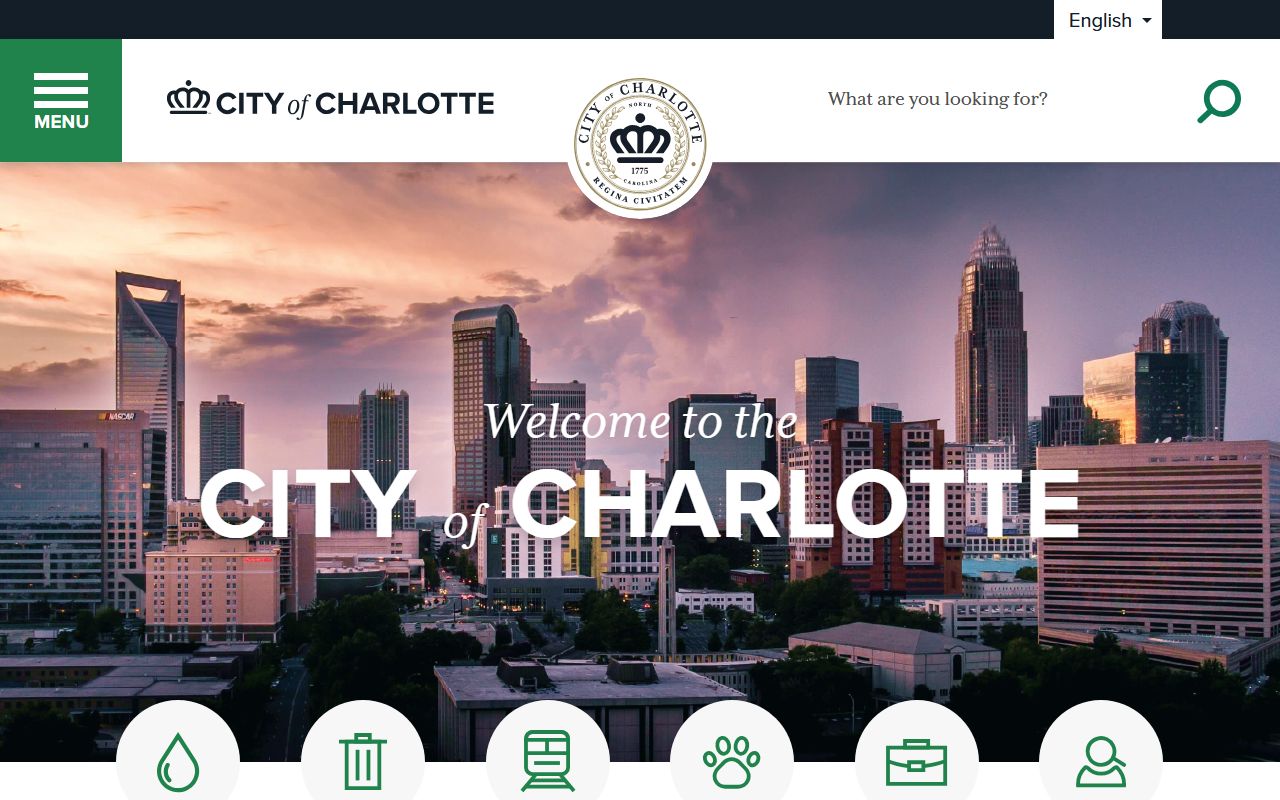
From this page, you can reach the City Clerk office and other departments that hold public records in Charlotte.
When you submit your request, keep these tips in mind:
- Name the department that likely holds the records
- Give date ranges to narrow the search
- List any case numbers or file names you already know
- Choose your preferred format, such as paper or digital
- Include your phone number so staff can reach you with questions
Charlotte Police Department Records
The Charlotte-Mecklenburg Police Department maintains its own set of public records. These include incident reports, accident reports, and arrest records. Some police records in Charlotte are available right away. Others require a formal request.
Incident reports are among the most commonly requested public records in Charlotte. You can ask for a copy of a report by providing the report number or details about the event. The police department may charge a small fee for copies.
Body camera footage is another category of public records held by Charlotte police. North Carolina law treats this footage differently from other records. Access to body camera video requires a court order in most cases. The law sets a specific process for requesting this type of record.
Note: Ongoing criminal investigations may limit what police records are available as public records in Charlotte.
City Council and Meeting Records
Charlotte City Council meetings produce public records that anyone can review. These include meeting agendas, minutes, and voting records. The City Clerk keeps these documents on file. Council meetings happen on a regular schedule, and the records are posted to the city website after each session.
You can find past council actions by searching the Charlotte public records archive. Ordinances passed by the council are also public records. These local laws affect zoning, business rules, and city services. Each ordinance is recorded with its full text and the date it took effect.
Budget documents are public records in Charlotte as well. The city publishes its annual budget and financial reports. These records show how city funds are spent across departments.
Planning and Development Records in Charlotte
The Charlotte Planning Department holds public records related to land use, zoning, and development. Building permits are public records. So are zoning applications and site plans. These documents can help you learn about past or planned construction in Charlotte.
Property records in Charlotte go through both city and county offices. The city handles permits and inspections. Mecklenburg County maintains property deeds, tax records, and assessment data. Both sets of records are open to the public.
Charlotte community resources offer help with understanding city records and services.
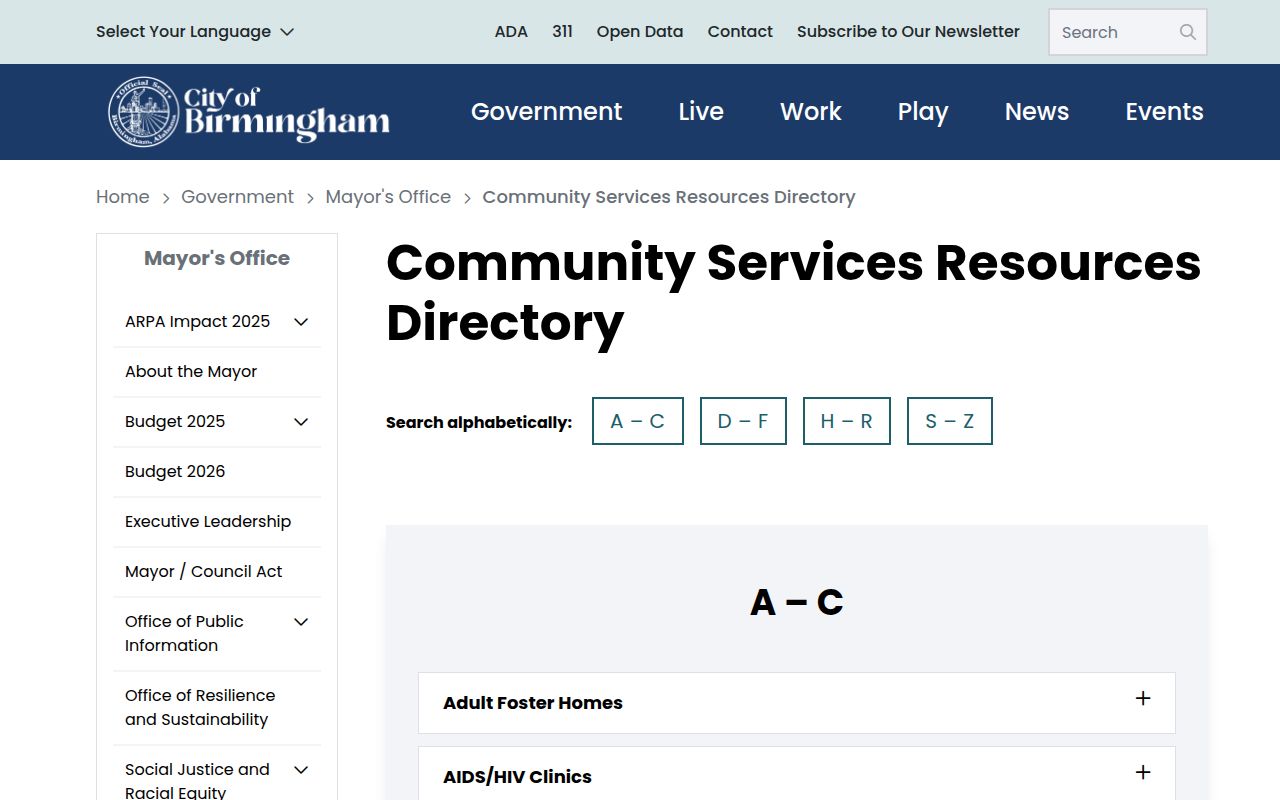
This page links to various programs and departments that generate public records in Charlotte.
Note: Building permit records in Charlotte may include inspection results, which are also considered public records.
State-Level Public Records for Charlotte Residents
Some records that Charlotte residents need come from state agencies rather than the city. Vital records like birth and death certificates are kept by the North Carolina Division of Public Health. You can request these through the state vital records office.
Court records for cases in Charlotte go through the Mecklenburg County court system. The North Carolina Judicial Branch provides an online portal for searching court records. This covers civil, criminal, and family court matters filed in Charlotte and across the county.
The NC state government portal offers another way to find public records tied to Charlotte. State agencies publish reports, data sets, and documents that touch on local topics. For legal questions about public records access, Legal Aid of North Carolina can help.
Public Records Fees and Response Times
Charlotte charges fees at the actual cost of producing copies. Paper copies, digital files, and large print jobs each have their own rates. Staff time for searching and gathering records may also be billed for complex requests. The city will tell you the estimated cost before they fill your order.
Response times for public records in Charlotte depend on the size and scope of the request. Simple requests can be handled in a few days. Large requests that span multiple departments may take several weeks. The city aims to respond within ten business days.
If your request is denied, you have the right to appeal. North Carolina law allows you to challenge a denial in court. The city must give you a reason if it withholds any public records. Most disputes over access to Charlotte public records can be resolved by working with the records coordinator.
Mecklenburg County Public Records
Charlotte sits within Mecklenburg County. Many public records that affect Charlotte residents are kept at the county level. These include property deeds, marriage licenses, and court filings. For a full look at county-held records and how to access them, visit the Mecklenburg County public records page.